

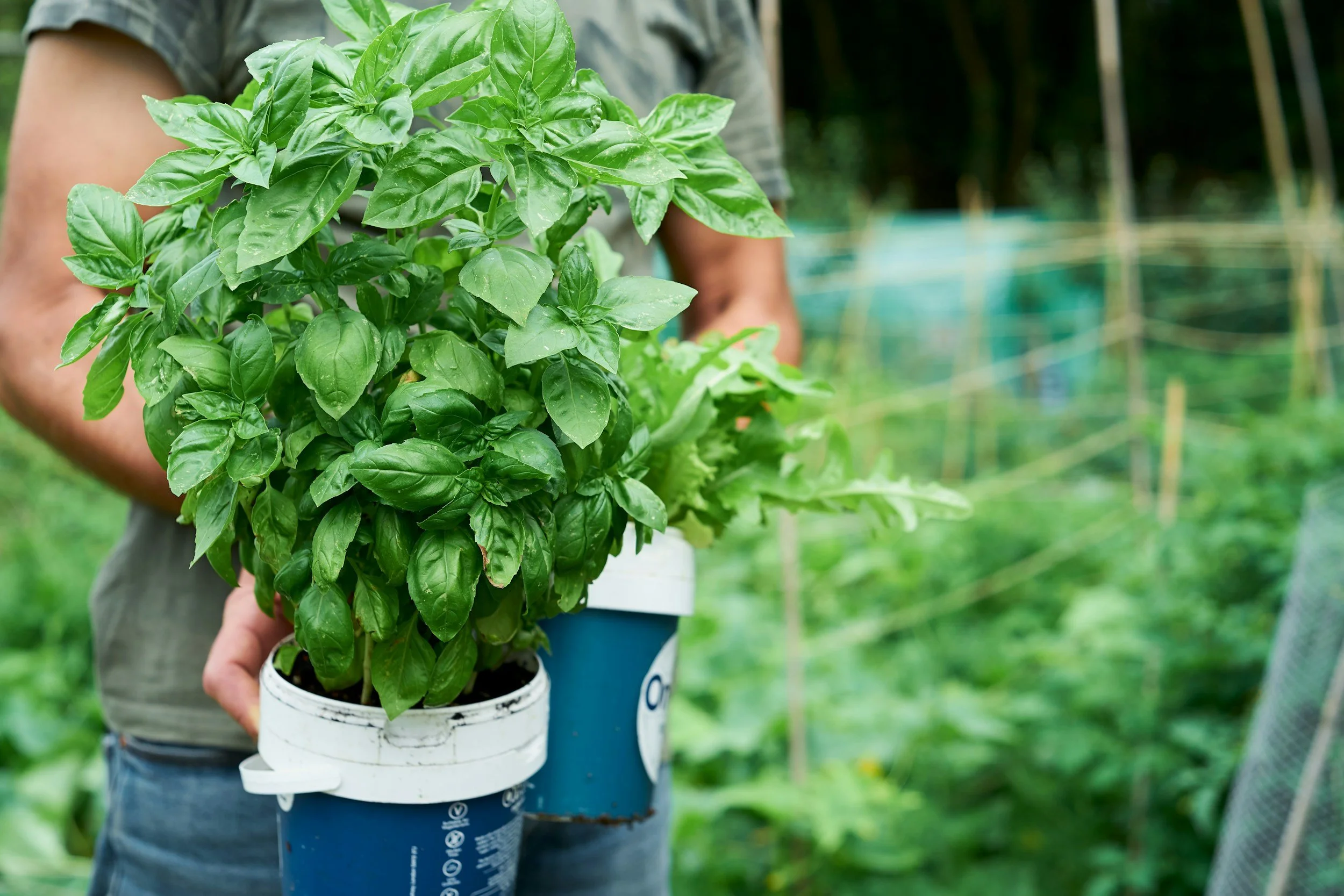
Basil
(Ocimum basilicum)
The golden remedy for inflammation, fatigue, and spiritual stagnation
Traditional Healing Wisdom
Basil (Ocimum basilicum) is cherished in Sufi healing as a sacred herb that clears the mind, strengthens the heart, and invites spiritual protection.
In Sufi teachings, basil is used to:
Lift mental fog and emotional heaviness – its warming nature disperses stagnation and restores clarity
Support respiratory wellness – easing congestion and opening the breath for those engaged in extended dhikr or recitation
Protect against spiritual heaviness – its fragrance repels negative energies and invites the presence of blessing (barakah)
Calm nervous tension – soothing those with anxious or melancholic temperaments
Restore vitality after illness or grief – gently warming what has grown cold or still
Basil is especially supportive for those navigating phlegmatic or melancholic temperaments, seasons of transition, or times when the spirit feels clouded and the body sluggish.
In traditional practice, fresh basil leaves are placed in the home to invite peace and protection.
The Sacred Science of Basil: What Modern Research Validates
For centuries, basil has been honoured as a sacred herb, a protector of the home and a healer of the body. Today, double-blind clinical trials and advanced cellular research are illuminating the wisdom of this ancient tradition. The findings confirm what practitioners have long observed: basil is a profound ally for the body, mind, and spirit.
Contemporary studies from 2022 onwards have observed basil’s role in the following areas:
Joint Comfort and Mobility: In a randomized, double-blind controlled trial, a traditional preparation of basil oil was found to improve pain and function in individuals with knee osteoarthritis. Its effectiveness was comparable to a standard topical anti-inflammatory gel, offering a natural path to greater ease and movement.
Cellular Protection Against Oxidative Stress: Advanced analysis of basil's polyphenolic compounds (including rosmarinic and chicoric acid) reveals potent antioxidant activity. Research demonstrates its ability to protect healthy cells from damage, preserve the body's key antioxidant enzymes (like superoxide dismutase), and reduce markers of oxidative stress (MDA) that contribute to aging and disease .
Respiratory System Support: A comprehensive 2022 review of scientific literature confirms basil’s therapeutic potential for respiratory wellness. Its anti-inflammatory and immunomodulatory properties offer natural support for the lungs and airways, helping to maintain clear and comfortable breathing .
Each finding reflects what sacred practice has always known: basil is a gentle yet powerful force that protects what is vulnerable, soothes what is inflamed, and restores balance to the body's essential systems.
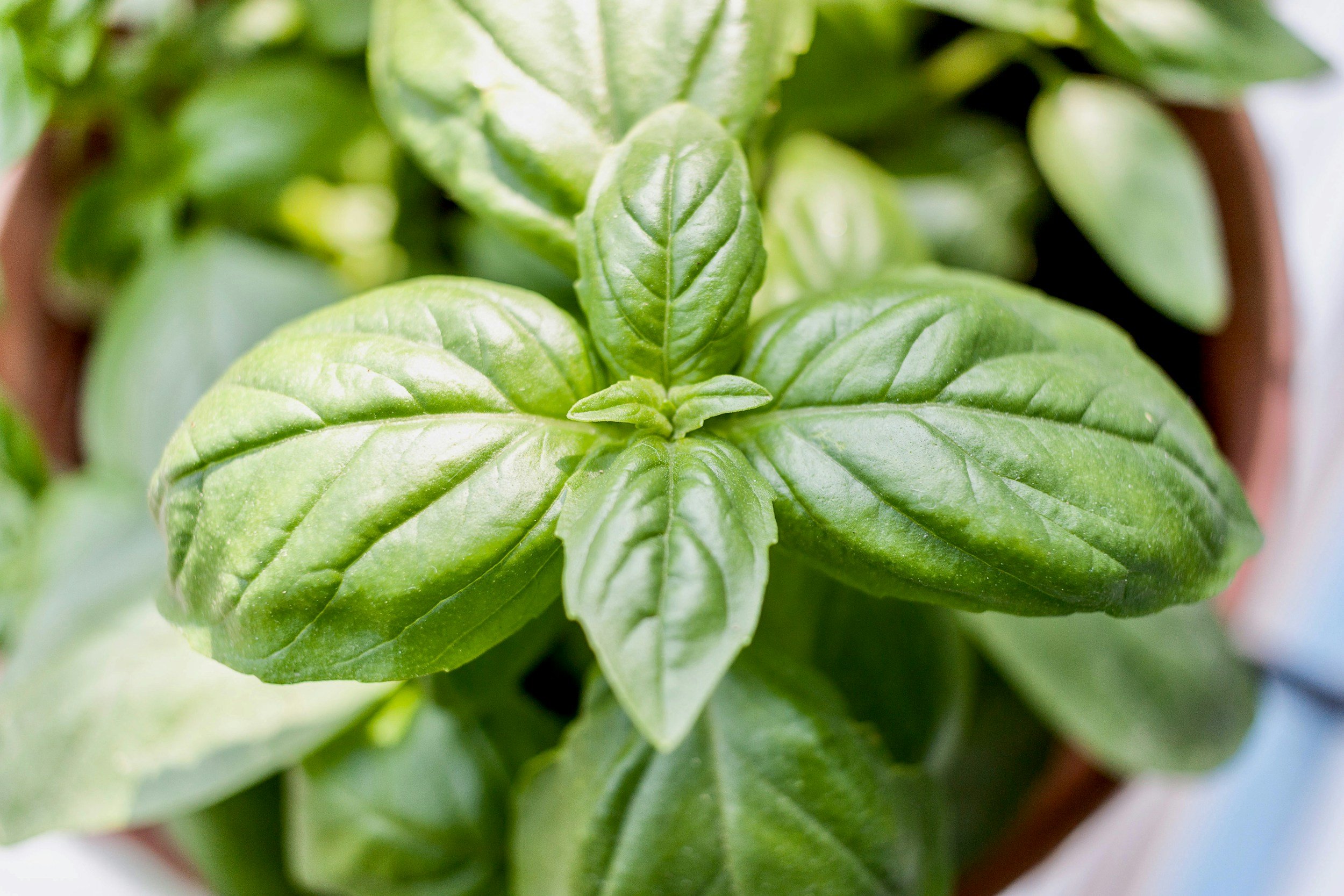
Energetic Temperament in Unani Tibb
In the Unani Tibb system, basil (Ocimum basilicum) is classified as hot and dry, aligning it with the element of fire and the qualities of clarity, protection, and vitalization. Basil's warming nature strengthens the heart (qalb) and vital spirit (ruh) , dispelling heaviness, spiritual fatigue, and emotional stagnation. Its dryness helps balance excess moisture in the constitution, particularly benefiting those experiencing mental fog, sluggishness, or congestion.
This makes basil especially supportive for:
Phlegmatic temperaments seeking mental clarity, respiratory support, and relief from sluggishness
Melancholic individuals needing gentle warmth, heart opening, and upliftment of the spirit
Respiratory wellness, particularly for those with damp or congestive conditions affecting the chest and sinuses
Heart and spiritual protection, as basil's fragrance is considered strengthening to the heart and protective against spiritual heaviness
Basil invites lightness into the emotional field, supports clear breathing and mental focus, and restores vitality and presence to the body and soul.
Sacred Basil Infusion
5–7 fresh basil leaves (or 1 tablespoon dried)
1 cup just-boiled water
Optional: a thin slice of fresh ginger, a drizzle of raw honey, or a squeeze of lemon
Fresh basil leaves are gently bruised between the fingers to release their fragrance, then placed in a warm cup and covered with just-boiled water. The steam rises carrying the herb's green and honeyed breath, a scent the Prophet ﷺ himself loved and never refused. The infusion is left to steep for 5–7 minutes, until the water takes on a pale golden hue and the aroma fills the space around you.
This tea is sipped slowly, with presence, when the body and heart feel:
Heavy, sluggish, or clouded basil's warmth lifts the fog
Congested in the chest or sinuses its gentle steam opens the airways
Stagnant after long stillness whether from grief, winter, or emotional holding
In need of mental clarity for study, prayer, or creative work
This infusion may be taken daily, especially in the morning to awaken the senses, or after meals to support digestion and ease bloating. For those of phlegmatic or melancholic temperament, a cup in the early afternoon restores energy without restlessness.
A simple, sacred rhythm returns, breathe by breathe, sip by sip.
How to Prepare and Use Saffron
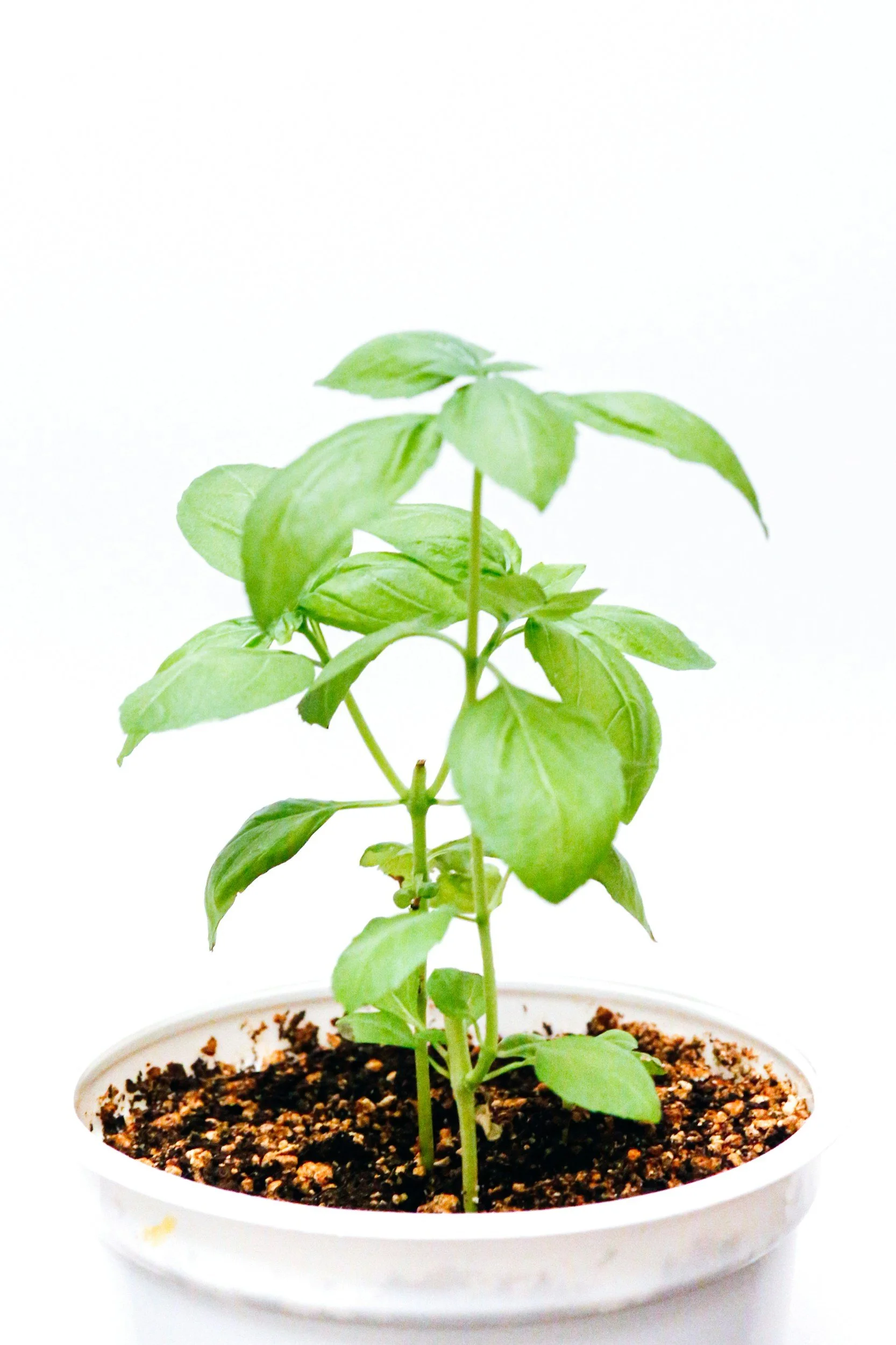
Preparation, Safety, & Spiritual Use
Basil carries the fragrance of paradise, a herb so beloved to the Prophet Muhammad ﷺ that he taught us never to refuse it when offered, for it is light to carry and sweet in fragrance. With this sacred gift comes the need for gentleness, wisdom, and restraint. Basil's warmth clears the mind, opens the heart, and protects the spirit.
Dosage Guidelines for Adults
Traditional wisdom and modern practice both honour basil as a gentle ally, yet even the kindest medicine asks for measure.
For tea: 5–7 fresh leaves or 1 tablespoon dried per cup, steeped 5–10 minutes, is sufficient for daily use
For tincture: ½ to 1 dropperful diluted in water, up to three times daily
For culinary use: As much as the heart desires, basil's medicine is most joyful when shared in food
For steam inhalation: A large handful of fresh leaves in just-boiled water, inhaled for 5–10 minutes as needed
For essential oil: Always dilute with a carrier oil, 1–2 drops per teaspoon, never apply undiluted to skin
Large doses are not needed to receive basil's full benefit. Its essence works through presence, not quantity.
Safety Considerations
Basil is generally safe when used in traditional amounts, yet certain situations call for extra care.
During pregnancy, basil is traditionally used in culinary amounts with ease, though concentrated forms including tinctures and essential oil are best avoided as high doses may stimulate uterine contractions
While breastfeeding, culinary use is welcome, concentrated preparations are set aside unless supervised by a qualified healer
Those on blood thinning medications such as warfarin are guided to consult a trusted practitioner before using concentrated basil preparations as its vitamin K content may interact
For those with low blood pressure, basil's mild hypotensive effect means monitoring is wise when using concentrated doses
Before surgery, basil supplements or concentrated forms are typically paused two weeks prior
Some temperaments, especially those prone to anxiety, heat sensitivity, or emotional volatility, may notice basil's warming nature amplifies restlessness. In these cases, grounding herbs like rose or fennel may offer balance
Side effects, though uncommon at traditional doses, may include:
Mild digestive discomfort in sensitive individuals
Restlessness or agitation in those with very hot or dry temperaments
Skin sensitivity when undiluted essential oil is applied topically
Lowered blood pressure in those already prone to hypotension
Spiritual Use
Basil holds an ancient role in spiritual protection and purification. In many traditions including the Prophetic way, basil's fragrance is known to repel negative energies and invite the presence of blessing. Its sweet scent lifts the heart and clears the atmosphere of heaviness, whether emotional or spiritual.
In traditional practice, fresh basil leaves are placed in the home to invite peace and protection. A sprig may be tucked above a doorway, added to cleansing water for ritual washing, or simply held in the hand during times of grief or spiritual fatigue. Its presence blesses not only the body, but also the home, the threshold, and the spirit.
Those who feel called to work with saffron are invited to seek guidance through a sacred consultation, allowing the herb's wisdom to speak directly to what is needed.
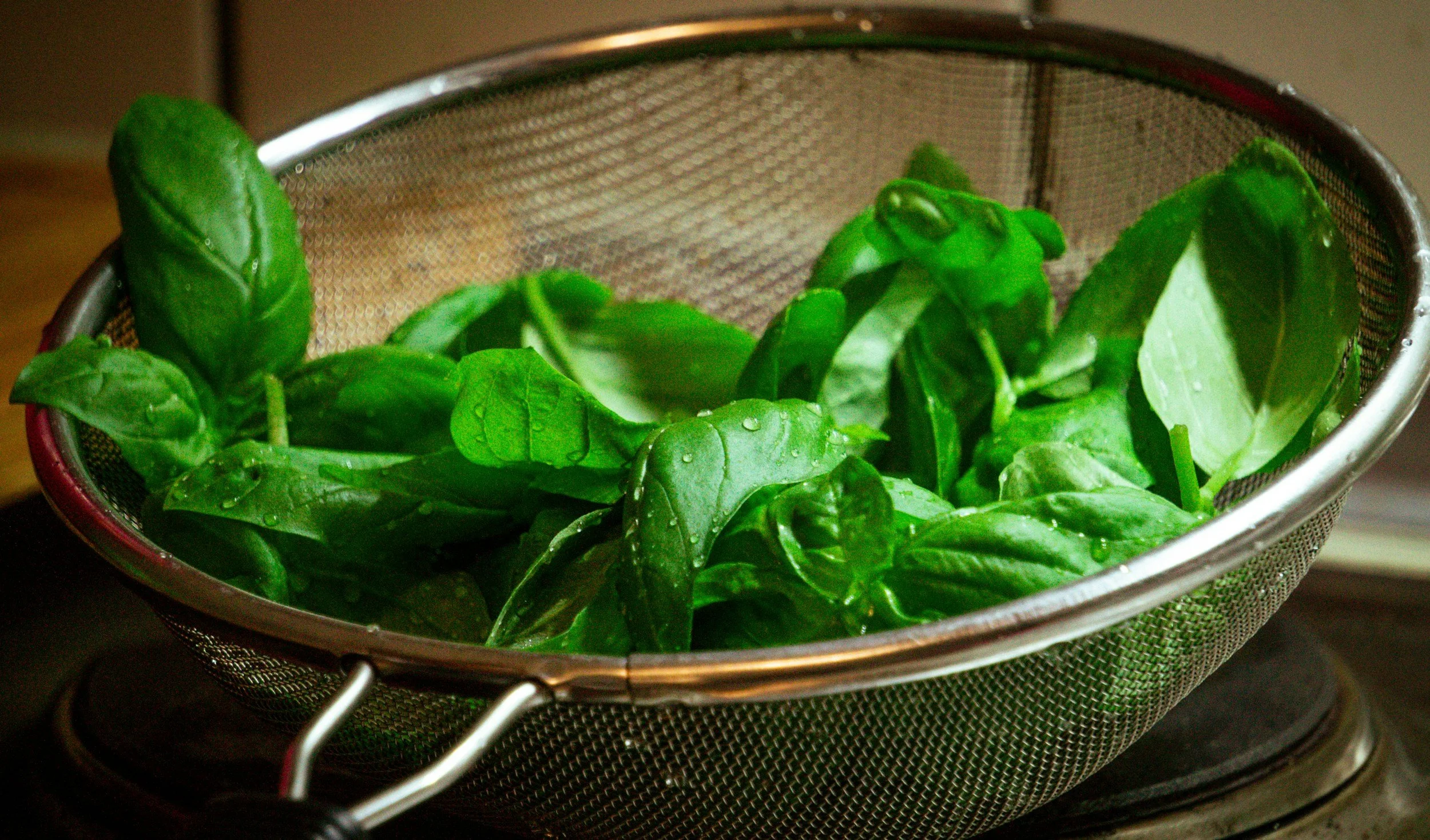
Spiritual Reflection and Divine Wisdom
Basil opens what has grown heavy with worry, stagnation, or unseen sorrow. Its green fragrance carries the whisper of return to presence, to breath, to the Divine.
In the Prophetic tradition, this herb is not only nourishment. It is remembrance.
It lifts the fog from the mind, softens what is rigid in the heart, and invites blessing into the spaces we inhabit.
When the chest feels tight and the spirit cannot find rest, basil offers the breath of Al-Fattah, The Opener, who releases what is closed and reveals what is hidden.
Its sweetness reflects Al-Latif, The Subtle One, gently restoring what has been neglected in the body and soul.
In moments of stillness, basil becomes prayer. In moments of grief, it becomes presence.
The body receives what the spirit has always known.
Let the preparation be slow. Let the fragrance rise in silence. Let the heart meet God through the work of your hands.
A sacred path opens with each leaf.
Scholarly Sources and Peer-Reviewed Research
Askari, A., Hasheminasab, F. S., Sadeghpour, O., Naghizadehd, M. M., Ravansalar, S. A., Iraji, A., & Hashempur, M. H. (2024). A randomized double-blind active-controlled clinical trial on the efficacy of topical basil (Ocimum basilicum) oil in knee osteoarthritis. Frontiers in Pharmacology, 15, 1377527. https://doi.org/10.3389/fphar.2024.1377527
Aminian, A. R., Mohebbati, R., & Boskabady, M. H. (2022). The effect of Ocimum basilicum L. and its main ingredients on respiratory disorders: An experimental, preclinical, and clinical review. Frontiers in Pharmacology, 12, 805391. https://doi.org/10.3389/fphar.2021.805391
Zhang, S., Wang, Y., & Liu, Z. (2022). Peppermint oil for irritable bowel syndrome: Systematic review and meta-analysis. Alimentary Pharmacology & Therapeutics, 56(4), 451–464.
Wójciak, M., Paduch, R., Drozdowski, P., Żuk, M., & Wójciak, W. (2024). Ultra-performance liquid chromatography and mass spectrometry characterization, and antioxidant, protective, and anti-inflammatory activity, of the polyphenolic fraction from Ocimum basilicum. Molecules, 29(21), 5043. https://doi.org/10.3390/molecules29215043